If you’re over 40, life can feel incredibly full.
There’s work. Family. Children who still need you—or parents who are beginning to need you more. A house to run, appointments to remember, messages to answer and an ever-growing list of things you really should get around to doing.
And somewhere in amongst all of that is you.
Perhaps you’ve started noticing that you don’t have quite the energy you used to. You’re more tired at the end of the day. Exercise has become something you’ll get back to “when things calm down”. You find it harder to switch off, your sleep isn’t great, or you simply don't feel as fit and healthy as you once did.
The problem is, when exactly is life going to calm down?
It’s very easy to put our health on hold while we deal with everything that feels more urgent.
But our 40s and 50s are also a really good time to start thinking about the health we want in the future.
Not because we should be worrying about getting older.
Quite the opposite.
Because living longer is only part of the picture. What really matters is having the health, energy and independence to enjoy those extra years.
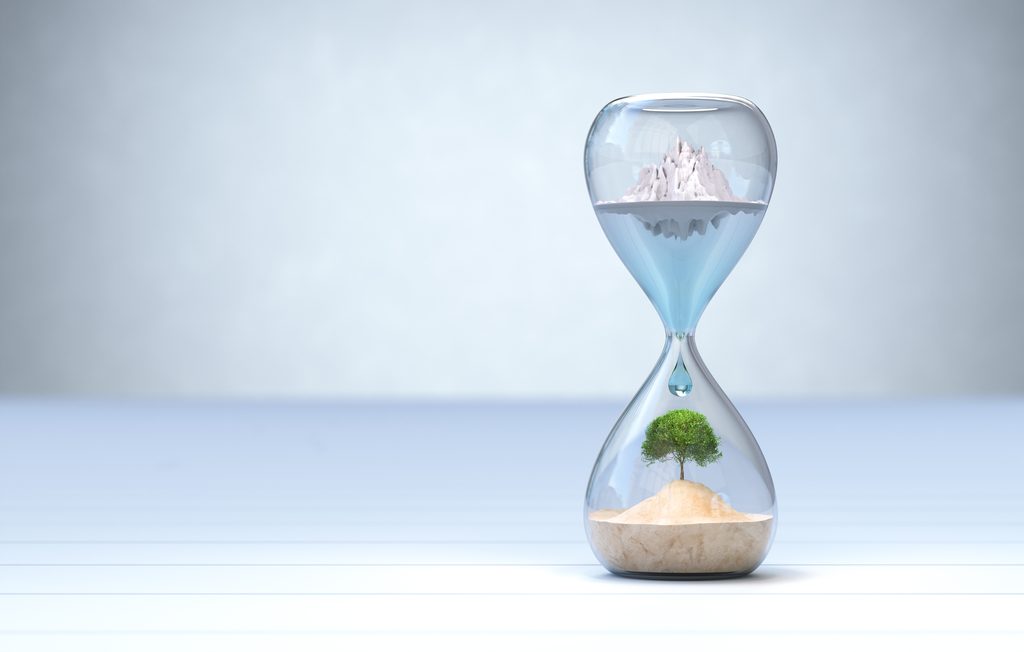
That's the difference between lifespan and healthspan.
What is lifespan?
Lifespan is simply the number of years we live.
We often hear about longevity and the possibility of living longer, healthier lives. And, of course, most of us would like more time with the people we love.
But if I asked whether you wanted to live to 90, I suspect your answer would come with a condition.
Yes—but I want to be well enough to enjoy it.
You probably don't just want to reach a certain age.
You want to be able to do things when you get there.
That's where healthspan becomes much more meaningful.
What is healthspan?
Healthspan is the period of our lives spent in relatively good health, without significant disease or disability limiting what we can do.
But I think there's a much more relatable way of looking at it.
Healthspan is about maintaining your ability to live your life.
Can you move comfortably?
Do you have the strength to do everyday things for yourself?
Can you get out and see friends, travel, enjoy hobbies or play with your grandchildren?
Can you remain independent?
Do you have the energy and confidence to say yes to things?
And are you mentally and emotionally well enough to enjoy them?
When we think about health in this way, the goal changes.
It isn't simply:
How can I live longer?
It's:
How can I give myself the best chance of living well for longer?
Living longer and living well aren't necessarily the same thing
Imagine yourself at 80.
What does a good life look like?
Perhaps you're still travelling. Walking the dog every morning. Looking after your garden. Going out for lunch with friends. Playing with grandchildren. Exploring new places. Or simply getting up every morning and getting on with your day without needing somebody else to do everything for you.
For most of us, that's what we really mean when we say we want to live longer.
We want to maintain our independence, mobility, strength, confidence and connection to the world around us.
Of course, none of us can guarantee that.
Genetics, illness, environment and circumstances all influence our health, and doing everything “right” doesn't guarantee a disease-free future.
But that doesn't mean our future health is completely outside our control.
The choices we make today can help build a stronger foundation for the years ahead.
Your health is about far more than your weight
One of the things I'd like us to move away from as we get older is judging our health almost entirely by what the scales say.
There are other questions that become increasingly important:
Can you comfortably climb a flight of stairs?
Can you carry your shopping?
Could you get yourself up from the floor?
Do you have good balance?
Can you walk for an hour and enjoy it?
Do you have enough energy left at the end of the working day to enjoy your evening?
These are aspects of functional health—our ability to do the everyday things that allow us to remain active and independent.
And they matter.
You might never see them reflected on the bathroom scales, but they can make an enormous difference to how you experience later life.
Strength isn't just about going to the gym
As we get older, maintaining our muscle mass and strength becomes increasingly important.
That doesn't mean you suddenly need to become a gym fanatic.
Strength is practical.
It's what allows you to carry bags, climb stairs, move furniture, get out of a chair, maintain your balance and continue doing things for yourself.
Mobility gives us freedom too.
Being able to move comfortably allows us to go places, see people and participate in life.
I like to think of strength and mobility as investments in your future independence.
The aim isn't necessarily to become fitter than you've ever been.
It's to maintain as much physical capacity as you reasonably can for the future.
But I don't have time to focus on my health
This is something I hear a lot—and I understand why.
When you're already spinning too many plates, being told you need to exercise five times a week, cook everything from scratch, meditate every morning, get eight hours' sleep and somehow eliminate stress from your life isn't particularly helpful.
It can simply become another list of things you're failing to do.
Looking after your health shouldn't become another full-time job.
You don't need a perfect routine.
You don't need to overhaul your entire diet.
And you don't need to wait until you suddenly have lots of spare time—because that day may never arrive.
Instead, ask:
What can I realistically do within the life I have now?
Could you take a 20-minute walk while your child is at football?
Could you do a short strength session at home rather than waiting until you have time for the gym?
Could you make one or two meals you regularly eat a little more nutritious?
Could you go to bed half an hour earlier a few nights a week?
Could you put your phone down and actually talk to somebody you care about?
Small changes can feel insignificant when we're surrounded by dramatic health transformations on social media.
But when those changes become things you can repeat week after week, month after month and year after year, they become much more powerful.
The basics still matter
There's a huge amount of noise around longevity.
Supplements, wearables, fasting protocols, cold-water therapy, complicated morning routines and endless promises about slowing the ageing process.
Some areas of longevity research are genuinely fascinating.
But for most busy people, I'd start somewhere much less exciting.
Get the basics working for you.
- Move regularly.
- Build and maintain your strength.
- Eat predominantly nutritious, minimally processed foods.
- Protect your sleep and give yourself opportunities to recover.
- Maintain meaningful relationships and find ways of managing the stress in your life.
None of these requires perfection.
And importantly, they don't need to happen all at once.
Think of them as small deposits into your future health.
Your brain and emotional wellbeing are part of healthspan too
Healthspan isn't just about whether your knees still work at 80.
It's about your mental and emotional wellbeing too.
Feeling connected to other people, having a sense of purpose, continuing to learn, sleeping well and finding ways to cope with life's stresses all contribute to how we experience our later years.
And this matters particularly during midlife.
Your 40s and 50s can come with considerable pressure. Careers may be at their busiest just as family responsibilities increase. You may find yourself caring for children and ageing parents at the same time.
It's hardly surprising if you sometimes feel overwhelmed.
This is why looking after yourself isn't selfish or something that should only happen once everything else has been dealt with.
Your health is one of the things that enables you to deal with everything else.
Start thinking of your health differently after 40
Perhaps the biggest change I'd encourage after 40 is to stop thinking about health purely in terms of short-term results.
Instead, start thinking about capacity.
You're not walking simply to burn calories.
You're maintaining your ability to move.
You're not lifting weights simply to change how your body looks.
You're building strength you'll hopefully still be using decades from now.
You're not eating well because you need to follow the perfect diet.
You're giving your body the nutrients it needs to function well.
And you're not prioritising sleep because you're being lazy.
You're giving your body and brain an opportunity to recover.
Suddenly, looking after yourself has a different purpose.
You're investing in your future self.
You don't need to change everything
One of the reasons people become overwhelmed by their health is that we tend to approach change with an all-or-nothing mindset.
Monday arrives and suddenly we're going to exercise every day, stop eating sugar, cook every meal from scratch and be asleep by 10pm.
Then real life happens.
A child gets ill. Work becomes manic. You sleep badly. The fridge is empty. You miss a workout.
And it feels as though you've failed.
But sustainable health isn't built on perfect weeks.
It's built on having habits that can survive imperfect ones.
That's where I believe health coaching can be particularly valuable.
Most of us already know that moving more, eating well, sleeping enough and managing stress are good for us.
The difficult part is working out how to actually do those things when life is already full.
Health coaching helps you step back from the overwhelm, identify what matters most and turn good intentions into realistic actions that fit your life.
Not somebody else's life.
Yours.
Your future health starts with the life you're living now
You don't need to become obsessed with longevity.
And you certainly don't need to spend your 40s worrying about being 80.
Instead, use your future as a reason to take care of yourself today.
Not through fear.
Through possibility.
Think about the people you love and the things that make your life worth living.
Then imagine yourself doing those things decades from now.
The goal isn't simply to add years to life. It's to protect the quality of those years.
So rather than asking yourself whether you're doing enough for your health, I'd leave you with a different question:
What would you like to still be able to do at 70, 80 or 90?
Maybe it's hiking.
Travelling.
Playing on the floor with your grandchildren—and being able to get back up again.
Walking the dog.
Dancing.
Gardening.
Living independently.
Or simply waking up with enough energy and confidence to enjoy your day.
Whatever your answer is, you don't need to change everything tomorrow.